Perfume can legally travel by air, road, or sea, but the right mode for your shipment depends on more than what’s technically permitted. Volume, budget, destination, and how quickly your customer needs the order all push the decision in different directions – and getting it wrong usually means paying too much, waiting too long, or hitting a compliance snag you didn’t budget time for.
This guide walks through how air, road, and sea freight actually compare for shipping perfume and other alcohol-based fragrance products, when each one makes sense, and how a UK-based 3PL usually decides which mode to use for a given order.
Why perfume’s dangerous goods classification affects every mode
Most fine fragrance and cologne is classified as UN1266, Class 3 flammable liquid, because of its high alcohol content. That classification doesn’t change depending on how the product travels – but the rules that apply to it do, because air, road, and sea freight are governed by three separate regulatory frameworks:
Air transport falls under IATA’s Dangerous Goods Regulations (DGR), which are the strictest of the three when it comes to quantity limits and packaging, largely because of the fire risk in a pressurised cabin or cargo hold. Road transport within the UK and into Europe follows ADR (the European Agreement concerning the International Carriage of Dangerous Goods by Road). Sea freight follows the IMDG Code (International Maritime Dangerous Goods Code). We’ve covered each of these in detail elsewhere – see our IATA dangerous goods compliance checklist for the air-specific rules and our guide to ADR and IMDG rules for road and sea. This post focuses on the higher-level question: given that all three modes are viable, which one should you actually choose?
Air freight: fastest, but the most restrictive on quantity
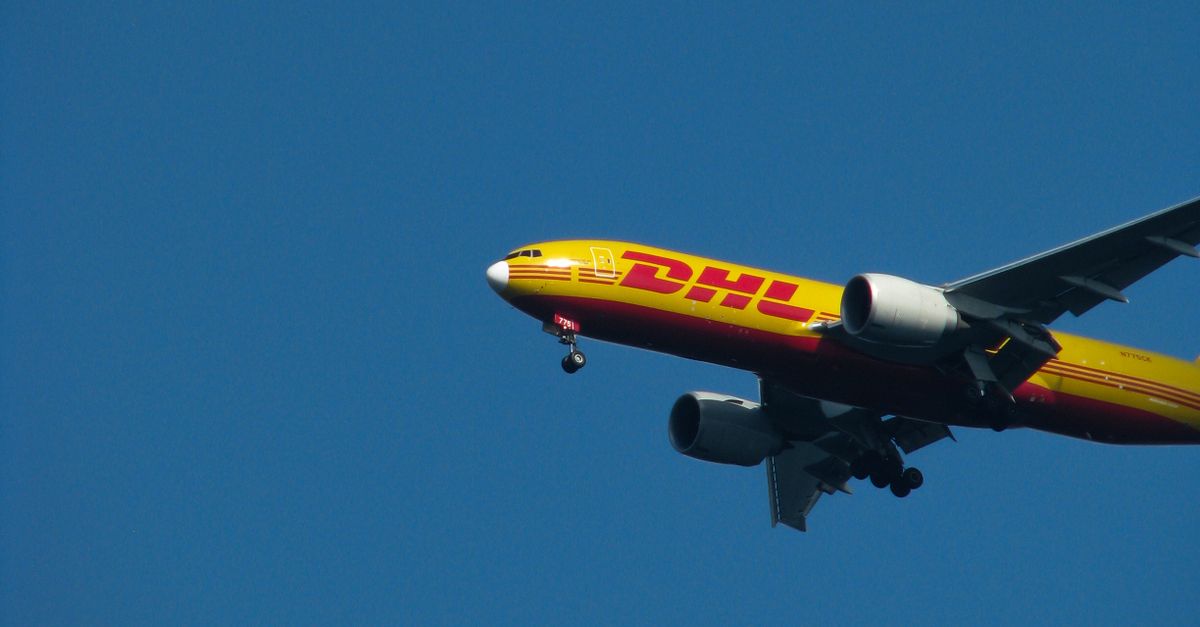
Air is the default choice for most direct-to-consumer perfume orders shipped internationally, and for good reason – it’s fast, predictable, and well suited to the parcel volumes most fragrance brands ship day to day.
The trade-off is that air carriers apply tighter limits on how much flammable liquid can travel per package, and the rules differ depending on whether the aircraft is a passenger or cargo-only plane (we go into this distinction in our post on shipping perfume by air). For small parcels – individual bottles or a handful of units per order – this rarely causes a problem. It becomes more of a constraint once you’re shipping multi-unit cases or pallet quantities, where the limited-quantity exemptions that make air shipping straightforward for consumer orders no longer apply in the same way.
Air freight also tends to be the most expensive option per kilogram, which matters more as order volume grows. For a brand doing 20-50 orders a month, that cost difference is usually small enough to be worth the speed. For a brand doing several hundred orders a month, or shipping wholesale case packs, it starts to add up.
Road freight: the practical choice for UK and European volume
For shipments within the UK and into mainland Europe, road transport under ADR rules is often the better option once you’re moving beyond small parcel volumes. Trucks can carry considerably more dangerous goods per shipment than a passenger aircraft’s cargo hold allows under IATA limits, which makes road freight a natural fit for wholesale and bulk fragrance logistics – something we cover in more depth in our wholesale perfume shipping guide.
The obvious limitation is geography. Road freight works well for UK-to-EU routes and domestic UK distribution, but it isn’t an option for transatlantic or intercontinental shipments. It’s also slower than air for any single order, so it suits planned, recurring shipments – restocking a EU distributor, moving pallets between warehouses – more than it suits one-off customer orders that need to arrive quickly.
Sea freight: lowest cost per unit, longest lead time
Sea freight under the IMDG Code is the most cost-effective way to move large volumes of perfume internationally, particularly for full or partial container loads heading to markets outside Europe. If you’re shipping a new product launch’s initial stock from a UK manufacturing or bottling partner to an overseas distribution point, or moving bulk inventory ahead of a seasonal peak, sea freight can significantly reduce your per-unit logistics cost.
The cost saving comes with a lead time measured in weeks rather than days, plus the added planning required around container booking, port handling, and customs clearance at both ends. Sea freight isn’t a fit for replenishing fast-moving retail stock or fulfilling individual customer orders – it’s a tool for moving bulk inventory on a planned schedule, not for on-demand fulfilment.
How the decision usually plays out in practice
Most fragrance brands don’t actually pick one mode and stick with it – they use different modes for different parts of their supply chain. A typical pattern looks like this: sea freight (or occasionally road, for EU-based sourcing) to bring bulk stock into the UK warehouse cost-effectively, then air freight for outbound parcel shipments to individual customers who expect delivery within days, with road freight covering bulk EU distribution or B2B wholesale orders in between.
The right split depends on your order profile. A brand doing almost entirely direct-to-consumer ecommerce will lean heavily on air for outbound shipping and may only need sea or road freight for inbound stock. A brand with a strong wholesale or distributor channel will use road and sea more heavily for the bulk movements and reserve air for time-sensitive or smaller orders.
This is one of the areas where working with a 3PL that understands dangerous goods classification across all three transport modes matters. Getting the classification, packaging, and documentation right for IATA is not the same exercise as getting it right for ADR or IMDG, and a fulfilment partner who only has air freight experience can end up steering every shipment through the most expensive, most restrictive option by default – even when a cheaper mode would do the job.
What to check with your fulfilment partner
If you’re evaluating a 3PL or reviewing your current one, it’s worth asking directly whether they handle dangerous goods documentation for air, road, and sea, or only one of the three. It’s also worth asking how they decide which mode to use for a given order – a partner who defaults to air for everything regardless of volume or destination may be costing you money on larger or less time-sensitive shipments. Our 3PL buyer’s checklist covers the broader set of questions worth asking beyond transport mode specifically.
FAQ
Can perfume go by all three transport modes – air, road, and sea?
Yes. Perfume classified as UN1266 Class 3 flammable liquid can legally travel by air (under IATA DGR), road (under ADR), or sea (under the IMDG Code), provided it’s correctly classified, packaged, and documented for whichever mode is used.
Which is cheapest: air, road, or sea freight for perfume?
Sea freight is generally the lowest cost per unit for large volumes, followed by road freight for UK/EU routes, with air freight the most expensive per kilogram. The trade-off is speed – sea freight lead times are measured in weeks, not days.
Why can’t large perfume shipments always go by air?
IATA’s dangerous goods regulations cap how much flammable liquid can be carried per package, particularly on passenger aircraft. Bulk or wholesale volumes often exceed what’s practical to ship under those limits, which is why road or sea freight tend to make more sense for large orders.
Does a fulfilment partner need different certifications for each transport mode?
The underlying dangerous goods training differs by mode – IATA DGR training for air, ADR training for road, IMDG training for sea. A 3PL that only trains staff in one of these will typically only be able to prepare compliant documentation for that mode, so it’s worth confirming coverage across all three if your shipments use more than one.
Can I mix transport modes for the same brand?
Yes, and most established fragrance brands do – using sea or road freight for bulk inbound stock and B2B distribution, and air freight for direct-to-consumer parcels that need to arrive quickly.
Ship Perfume ships fragrance and personal care products worldwide – to customers in the US, across the EU, and beyond – from our UK-based, DG-trained facility, with experience preparing compliant documentation across air, road, and sea freight. To talk through the right transport mix for your order volume and destinations, visit our services page or get in touch.