
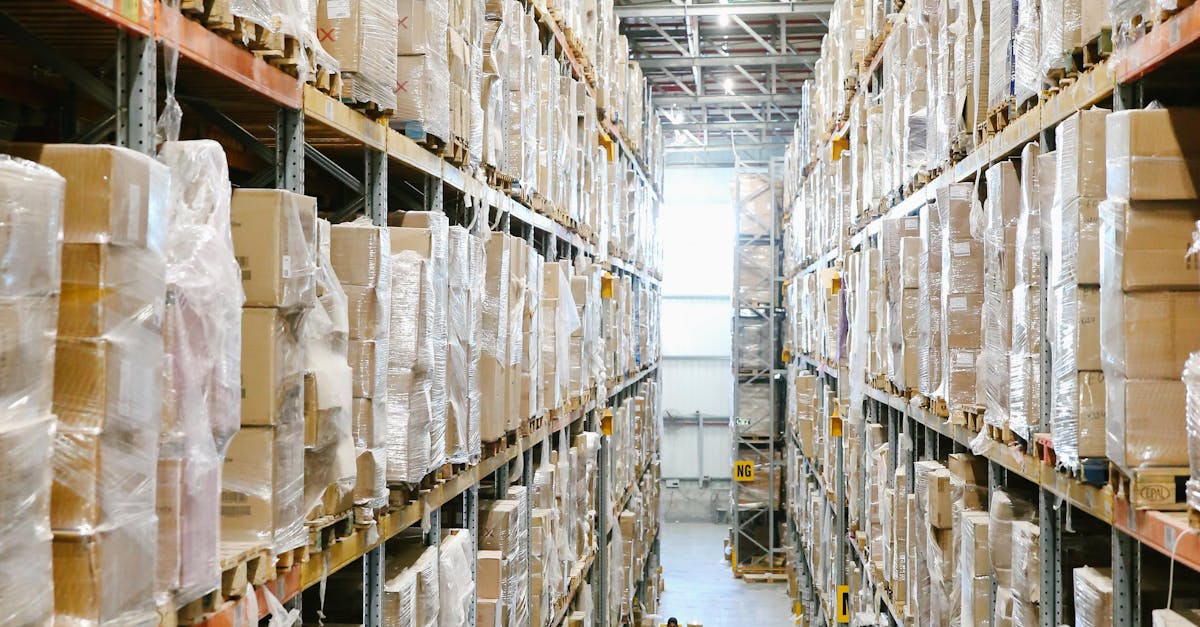
Wholesale perfume shipping is a different problem from the ecommerce fulfilment most of our other guides cover. Instead of picking and packing single bottles for individual consumers, you’re moving palletised or case-quantity stock to retailers, distributors, salons or other B2B buyers — and that changes almost everything about how the shipment needs to be planned, packed and documented.
This guide is for fragrance brands and distributors moving perfume in bulk rather than direct-to-consumer, and covers what’s actually different about wholesale volumes, how the dangerous goods rules scale with quantity, and what to look for in a fulfilment or logistics partner if you’re doing this regularly.
How wholesale perfume shipping differs from D2C fulfilment
The core dangerous goods classification doesn’t change — perfume is still typically UN1266, Class 3 flammable liquid, whether you’re shipping one bottle or one hundred. What changes at wholesale volume is everything around it:
Unit economics shift from per-parcel courier rates to freight and pallet-based pricing, which usually means different carriers and different account types than a standard parcel courier relationship. Packing moves from individual gift-ready parcels to case packs and palletised loads, with different bracing, stacking and weight-distribution requirements. Documentation scales differently — a single wholesale shipment might need one set of dangerous goods paperwork covering hundreds of units rather than per-parcel declarations, but the aggregate quantities can push you into different regulatory thresholds and packing group requirements than small parcels would. Lead times and minimum order quantities become part of the conversation with buyers in a way they rarely are for D2C.
Dangerous goods rules at wholesale volume
One thing that catches distributors out: quantity limits that exist for Limited Quantity or Excepted Quantity provisions at the individual parcel level don’t scale up cleanly to bulk shipments. A packaging and labelling approach that works for a handful of units per parcel often needs to be re-evaluated entirely once you’re consolidating into cases and pallets, because the aggregate quantity of flammable liquid in a single load changes which packing group requirements and vehicle/aircraft loading restrictions apply. If your bulk shipments move by road within the UK or into the EU, that’s assessed under ADR rather than the air-focused IATA rules that most of our other guides reference — we go into the IATA side of this in our IATA dangerous goods compliance checklist for perfume, but a wholesale operation moving stock by road or sea needs someone who understands both frameworks, not just the air rules.
Packing perfume for wholesale and bulk shipments
At case and pallet volume, the packing questions change from “will this bottle survive being handled by hand” to “will this load survive being handled by a forklift, stacked under other pallets, and moved through a freight network.” That means:
Case packs need to be uniform and clearly labelled with the same Class 3 markings required at parcel level, but consistently across every case in the load, not just the outer pallet wrap. Palletised loads need proper stacking patterns and load securing so cases don’t shift or crush in transit — glass bottles under uneven pallet pressure are a real breakage risk. Segregation from incompatible goods matters more at pallet and warehouse level than it does for a single parcel moving through a courier’s general network, since bulk dangerous goods loads are often stored and consolidated alongside other freight before final delivery.
Choosing a partner for wholesale perfume logistics
Not every 3PL that handles D2C perfume fulfilment well is set up for wholesale and B2B volume, and not every freight forwarder that handles bulk dangerous goods well understands perfume and fragrance products specifically. The combination is what to look for: dangerous goods trained staff who understand how classification and packing requirements scale from parcel to pallet, warehousing built for flammable liquid storage at volume rather than adapted general storage, and systems that can generate compliant documentation whether an order is a single gift-wrapped bottle or a multi-pallet wholesale despatch. We cover the broader version of this question in our buyer’s checklist for choosing a 3PL for your fragrance brand — the wholesale-specific addition is asking directly about their experience with case-pack and palletised dangerous goods loads, not just parcel-level shipments.
Shipping wholesale perfume internationally from the UK
A UK-based brand or distributor selling wholesale into the US, EU or further afield is dealing with export documentation, customs valuation and destination-country import requirements on top of the dangerous goods side — and at wholesale volumes, customs authorities scrutinise commercial shipments more closely than small parcels, so accurate commercial invoices and HS codes matter even more. Our guide to shipping perfume from the UK to the USA and Canada covers the customs and courier side for smaller shipments; the same underlying rules apply at wholesale scale, just with freight documentation and customs brokerage typically replacing simple courier paperwork.
How Ship Perfume supports wholesale and B2B fragrance brands
Ship Perfume was built by Dave and Dan around the specific compliance and handling demands of fragrance and personal-care products, and that includes supporting brands as they grow from small parcel volumes into case-pack and bulk despatch. The team is dangerous goods trained, storage is set up specifically for flammable liquid perfumery stock, and the pick-and-pack and despatch process is designed to scale from around 20 orders a month up to several hundred without the compliance side breaking down. Everything ships from our UK facility, with buyers and retail partners anywhere in the world — the US, the EU, or beyond.
If you’re a fragrance brand or distributor moving into wholesale volumes and want to talk through how bulk despatch would work for your specific SKUs, take a look at our fulfilment services or get in touch directly.
FAQ: Wholesale perfume shipping
Is wholesale perfume shipping still classed as dangerous goods?
Yes. The Class 3 flammable liquid classification under UN1266 applies regardless of order size — a case pack or pallet of perfume is still dangerous goods, and in practice the aggregate quantity can trigger stricter packing group and loading requirements than small parcel shipments.
What’s the difference between shipping perfume wholesale and shipping it direct to consumers?
The regulatory classification is the same, but the practical requirements differ significantly — wholesale shipments typically move as case packs or palletised freight rather than individual parcels, use different carriers and pricing models, and need documentation that covers bulk quantities rather than single units.
Can wholesale perfume shipments move by road instead of air?
Yes, and for UK and EU bulk shipments road freight under ADR rules is often more practical and cost-effective than air freight, which is more commonly used for smaller parcel-level shipments or long-haul international orders.
Do I need a freight forwarder or a 3PL for wholesale perfume shipping?
It depends on your volume and how much of the process you want to manage yourself. Some fragrance brands work with a specialist 3PL that combines warehousing, pick-and-pack and dangerous goods compliance for both D2C and wholesale orders, while others separate bulk freight movements from parcel-level fulfilment. Either way, the partner needs genuine dangerous goods expertise, not just general logistics experience.
How do minimum order quantities affect wholesale shipping costs?
Freight and pallet-based pricing generally becomes more cost-effective per unit as volume increases, which is part of why many brands set minimum order quantities for wholesale accounts — it’s usually the point where case-pack or palletised shipping becomes more economical than treating each wholesale order like an oversized parcel.