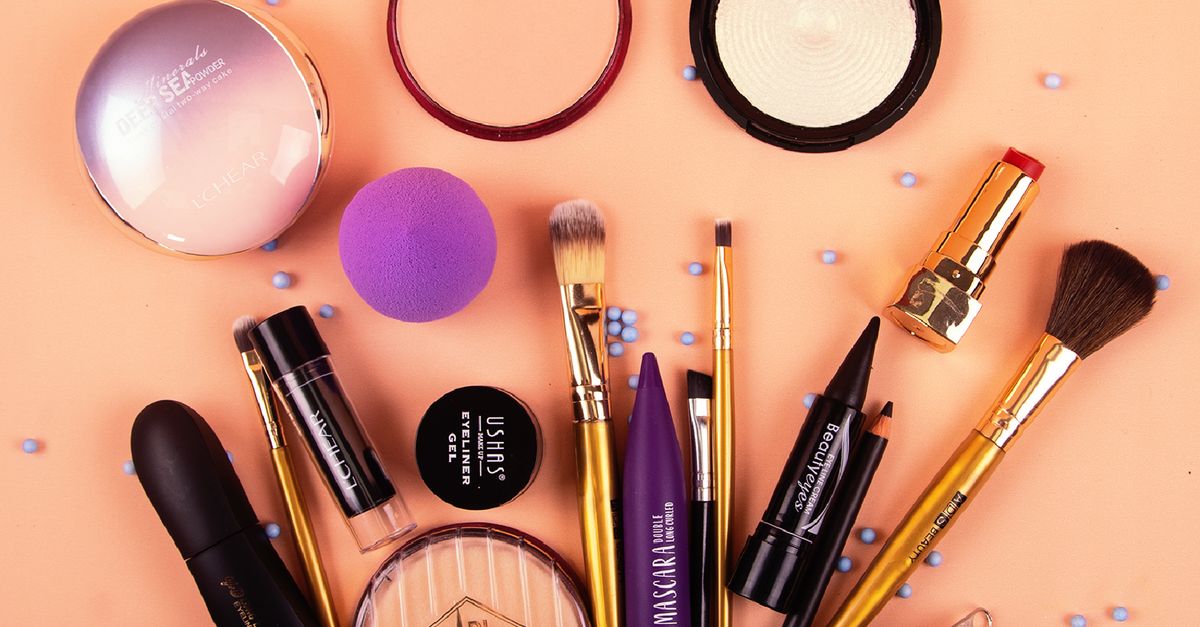
Makeup brands don’t fit neatly into a generic “beauty fulfilment” box. Colour cosmetics bring their own mix of problems: dozens of shade variants per SKU, fragile compacts and glass packaging, PR units that need to go out same-day, and a handful of aerosol and finishing-spray products that quietly carry the same dangerous goods classification as perfume. If you’re evaluating a 3PL for a foundation, lipstick, eyeshadow or nail colour range, here’s what actually matters.
Is makeup dangerous goods?
Most colour cosmetics are not classified as dangerous goods. Pressed powders, lipsticks, foundations, mascaras and liquid eyeliners are typically non-flammable, non-hazardous consumer products that can move through standard parcel networks without DG paperwork. That’s a real operational difference from fragrance, where every bottle is UN1266/Class 3 by default.
The exceptions are worth knowing before they catch you out: aerosol setting sprays, dry shampoo-style finishing mists, and some nail products (polish, remover, and gel-system cleansers) contain flammable propellants or solvents and are classified as dangerous goods for air transport. A brand selling a matte setting spray alongside a non-DG foundation range needs a 3PL that can tell the two apart at SKU level and route each correctly — not one that either over-classifies the whole catalogue as DG (adding unnecessary cost and transit time) or under-classifies the aerosol line (a compliance risk). This is the same SKU-level classification discipline we cover for fragrance in our dangerous goods compliant packaging guide, and it applies just as much to a makeup range with even one aerosol product in it.
Breakage and packaging risk
Where makeup fulfilment gets genuinely tricky is packaging. Pressed powder compacts, eyeshadow palettes and pigment pans can shatter or crack in transit even when the outer box looks undamaged — pressed powder is notoriously prone to cracking from a drop that wouldn’t dent a liquid product. Glass packaging on premium foundations, perfumed body products and nail polish adds another breakage point. Mirrors built into compacts are a third.
A fulfilment partner handling makeup needs cushioning and void-fill approaches matched to each format: palettes packed flat with rigid support rather than just bubble wrap, glass bottles separated and collared, and enough structural packaging to survive stacking in a parcel network rather than a dedicated cosmetics pallet. If your current 3PL treats a $40 eyeshadow palette the same way it packs a t-shirt, you’ll see it in your return rate.
Shade ranges multiply your SKU count fast
A single foundation formula might ship in 30-plus shades. A lipstick line might have 20 finishes across multiple colour families. That’s before you count limited editions, gift sets and seasonal collections. The inventory management problem this creates is different in kind, not just degree, from a skincare or haircare range with a handful of variants per product — our skincare 3PL guide covers a similar but smaller-scale version of this with actives and formulations, and it’s worth reading alongside this one if your brand spans both categories.
Ask a prospective 3PL directly how they handle high-SKU-count ranges: how accurately they pick the right shade at volume, how they manage end-of-line discontinued shades, and whether their system can flag slow-moving shade variants before they become dead stock sitting in a storage bay you’re paying for.
PR mailers, influencer sends and subscription boxes
Makeup brands lean harder on PR and influencer seeding than most other personal care categories, and that means a steady stream of one-off, often rush, shipments that look nothing like a normal customer order: a curated selection of five products, bespoke packaging or a branded box insert, and a tight turnaround because a press date or content deadline is attached. A 3PL that’s only built for repeatable D2C pick-and-pack will struggle with this work; one used to kitting and bundling — the same skill set we describe in our subscription box and kitting fulfilment guide — handles it as a variation on a process they already run, rather than a special project every time.
Batch tracking and shelf life (PAO)
Colour cosmetics carry a Period After Opening (PAO) symbol — the little open-jar icon with a number of months — rather than a fixed expiry date in most markets, but bulk stock still has batch codes and a genuine shelf life before it reaches a customer. FEFO (first-expired, first-out) picking matters here just as it does for skincare actives: a 3PL that picks oldest stock first protects you from a customer receiving a product close to the end of its shelf life, and gives you clean batch traceability if a formulation issue or recall ever comes up.
What to look for in a makeup 3PL
Pulling the above together, a fulfilment partner that’s genuinely set up for colour cosmetics should be able to show you:
- SKU-level dangerous goods classification, not a blanket policy, so aerosol and nail products are handled correctly without penalising the rest of your range
- Packaging and cushioning methods suited to compacts, palettes, glass and pigment products specifically
- Accurate picking across high shade-count SKU ranges, with visibility into slow-moving variants
- Kitting capability for PR mailers, gift sets and influencer sends, including fast turnaround on bespoke requests
- FEFO batch and PAO-aware stock rotation
- Scalability from a few dozen orders a month to several hundred without a re-platforming exercise
Our own guide to choosing a UK 3PL for beauty brands covers the broader checklist questions — insurance, onboarding, reporting — that apply across every personal care category, makeup included.
Based in the UK, built for brands selling worldwide
None of the above depends on where your customers are. Dave and Dan built Ship Perfume as a DG-trained 3PL for fragrance and personal care, with the specialised storage and pick-and-pack processes that colour cosmetics and their occasional DG products need, and that scales from around 20 orders a month up past 500 without changing partners. Everything ships from our UK facility, but your customers can be anywhere — the US, the EU, or further afield — because international parcel networks don’t require your 3PL to sit inside the destination country.
FAQ
Is nail polish dangerous goods?
Yes, in most cases. Nail polish, polish remover and many gel-system cleansers contain flammable solvents and are classified as dangerous goods for air transport, the same broad category as perfume, even though the rest of a makeup range typically isn’t.
Do I need a specialist 3PL just for makeup, separate from my skincare or fragrance lines?
Not necessarily — you need a 3PL that can handle the specific demands of each category under one roof: DG classification for your aerosols and nail products, breakage-aware packing for your compacts and glass, and ordinary parcel handling for the rest. A partner already set up for fragrance and beauty DG work, like a dedicated personal care 3PL, can usually absorb a makeup range without starting from scratch.
How do 3PLs handle so many shade variants without picking errors?
Through barcode or SKU-level scanning at pick, rather than relying on a picker visually matching shades, plus systems that flag low-stock or slow-moving variants before they cause a stockout or dead stock problem.
Can a UK-based 3PL fulfil orders for US or EU customers efficiently?
Yes. Orders are picked, packed and handed to an international courier from the UK facility, with transit times comparable to any cross-border ecommerce shipment — the same model that already works for our fragrance and skincare clients shipping into North America and Europe.
If you’re weighing up fulfilment options for a colour cosmetics range, take a look at our fulfilment services or get in touch to talk through your SKU count, shade range and current order volume.